Slow Decorating: The Best Way to Furnish
When you move into a new place, it’s common to feel pressure to furnish and decorate everything all at once to make the space look complete. However, this approach might not be the best. That’s why many people are embracing slow decorating.
Slow decorating is exactly what it sounds like—the process of decorating gradually. Instead of rushing to furnish and style your home all at once (which can be expensive, time-consuming, and often lead to mediocre results), you take your time curating the right pieces. Over time, through thoughtful selection, your home comes together naturally and feels more intentional and personal.

AVOID COSTLY (AND UGLY) DESIGN MISTAKES

My Personal Decorating Style
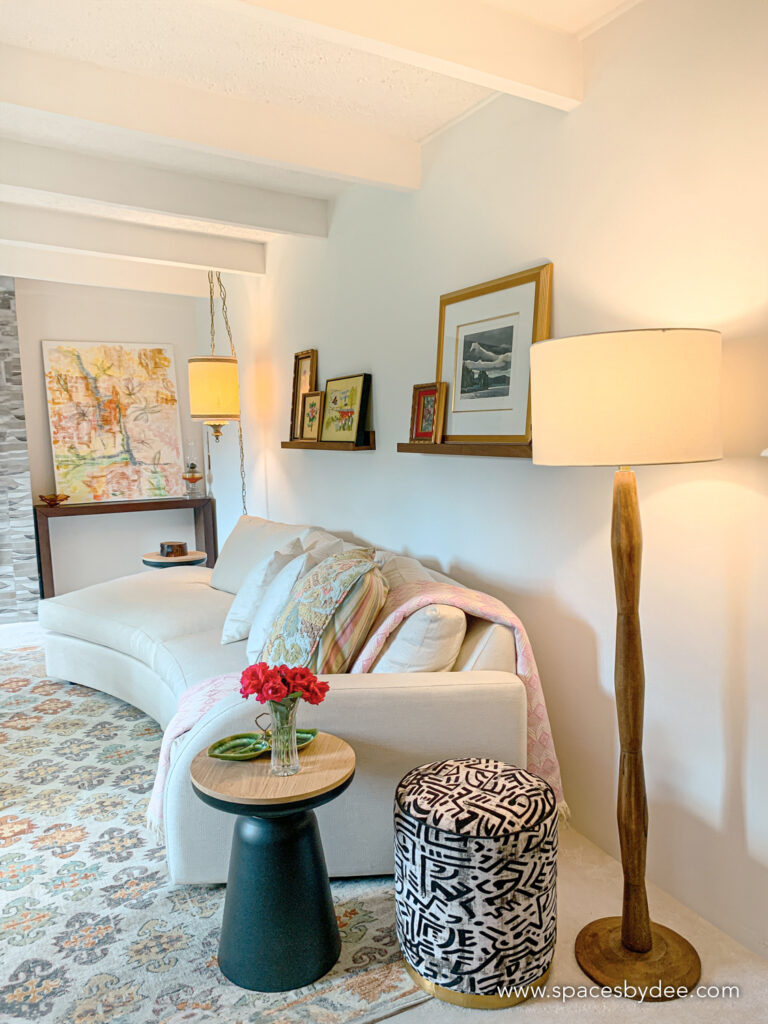
As a designer, I’ll admit I don’t embrace slow decorating as much as I’d like. Not because I don’t value it, but because most of my clients want everything done yesterday. And I get it—today’s fast-paced world is all about instant results. People want to move in and have their space feel complete within a month.
While I understand this urgency, the rushed approach often takes away some of the magic. It robs you of the joy of stumbling upon the perfect piece or having the time to be truly selective about what you bring into your home. Slow decorating allows for those special moments of discovery and intentionality that can make a space feel uniquely yours.
My decorating style in my own space? That’s where I can truly embrace slow decorating. I’ve made it a ritual to collect a decor piece from every country I visit, and over the years, these treasures have slowly but surely added up. I also really take my time with purchases—I’m naturally a deliberator. Just as I spend hours researching products for clients, I take the same meticulous approach to my personal purchases.
That said, I’m now in a place of starting fresh—I’m moving. This means taking stock of everything I own and parting with anything I don’t absolutely love. From there, I’ll rebuild my home accessories piece by piece, embracing the process all over again. So, I’m really digging this idea of slow decorating, and I think it’s the most practical approach for most.
The Art of Slow Decorating: Why It’s Worth the Wait
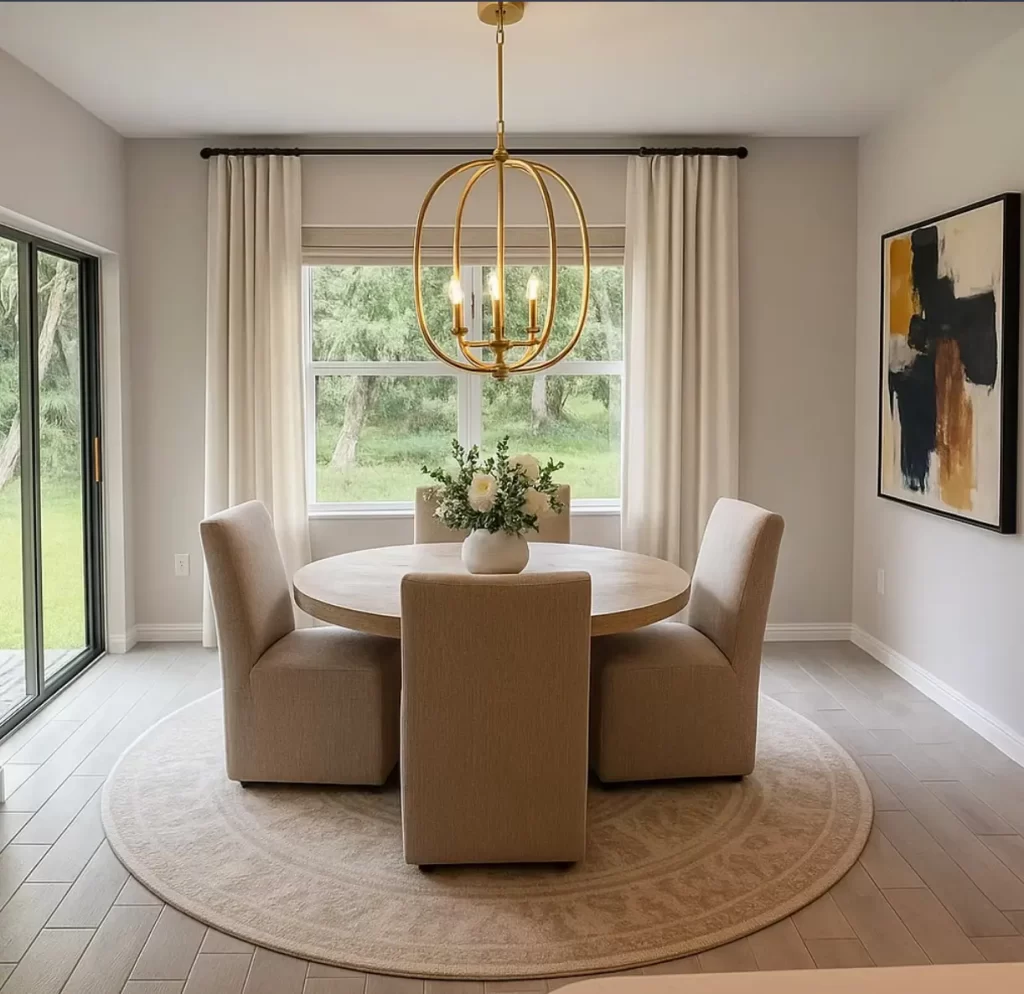
Enter slow decorating, a mindful and intentional approach to creating a space that truly feels like home.
What is Slow Decorating?
Slow decorating is the antithesis of rushing to furnish and style your home in one go. Instead of filling a space with whatever’s available, you allow your home to evolve naturally, curating it piece by piece. It’s about selecting meaningful items, finding the right furniture and decor, and making intentional choices that reflect your style and life story.
How to Start Slow Decorating
- Live in Your Space First
Before you start buying, spend time in your home and observe how you use the space. What areas get the most light? Where do you naturally gravitate? Understanding how you live in your home will help guide your decisions. - Create a Mood Board It’s important to have a clear sense of direction before beginning your slow decorating process to avoid ending up with a mismatched or chaotic space. Start by creating a vision for your home—this will act as your guide. When considering a new item, refer back to your vision to ensure it aligns with the overall aesthetic and purpose of your space. View my eDesign Services for Mood Boards.
- Prioritize the Essentials
Start with the basics—think a good bed, a sofa, and functional lighting. These foundational pieces should be of high quality, as they’ll anchor your home while you layer in smaller details over time. - Curate Instead of Consuming
Avoid impulse buys. Slow decorating is about hunting for the perfect pieces, whether that’s browsing local antique shops, exploring markets during your travels, or saving up for a special piece of art. - Celebrate Stories
Fill your home with items that hold meaning—books you’ve loved, art collected during trips, or hand-me-downs with history. These are the pieces that give your space character and warmth. - Think Seasonally
Embrace the opportunity to add layers over time. Maybe this month you invest in cozy throws and pillows, and next season, you tackle curtains or rugs. Decorating in phases ensures each decision feels intentional.
The Pros of Slow Decorating
- A Home That Feels Authentic
Your home will be a true reflection of you, not a cookie-cutter catalogue spread. The time you take to choose each piece allows your personality to shine through. - Higher Quality Choices
Slow decorating lets you save for well-made, durable items rather than settling for quick, cheaper fixes. Over time, this approach often costs less because you’re not constantly replacing things. - Less Clutter, More Meaning
When you take your time, you’re less likely to accumulate unnecessary items. Every piece you bring into your home will serve a purpose or spark joy. - Sustainable and Thoughtful
Fast decorating often leads to fast waste. By choosing quality over quantity, shopping secondhand, or repurposing items, slow decorating is kinder to the planet. - A Calming Process
Decorating slowly removes the stress of rushing to make everything perfect. It allows you to enjoy the process and relish each addition to your home.
Slow & Steady Wins The Race

Your home doesn’t have to be “finished” to be beautiful. Embrace the evolution. Over time, as you collect pieces that resonate with you and tell your story, your space will come together in a way that feels effortless and uniquely yours. And you know, I’m all about the story behind everything… (yes, I’m cheesy).
So take your time, pour a cup of tea, and enjoy the journey of creating a home that truly reflects who you are. After all, the best things in life—like a thoughtfully decorated home—are worth the wait.
Click Here To Shop My Favourite Home Goods
Let’s design your space together, virtually.