
How to Assess Permitting for Your Construction Project
Ahhhh, Permitting – is not my favourite thing about the interior alternations process. But, it is a part of the process. So, let me break it down for you.

Whether you’re planning a small renovation or embarking on a large-scale commercial development, understanding how to navigate the permitting process is crucial to the success of your project. Permits are required by local government authorities to ensure that construction projects meet safety, zoning, environmental, and other regulatory standards. Securing the right permits early can prevent costly delays and legal issues down the road.
In this blog post, we’ll break down the steps to accessing permits for your construction project, from initial planning to final approval.
Keep in mind, this is a rough guide. Permitting becomes more and more complex depending on how complex the project is.
The Steps to Permitting
1. Understand the Types of Permits You Might Need
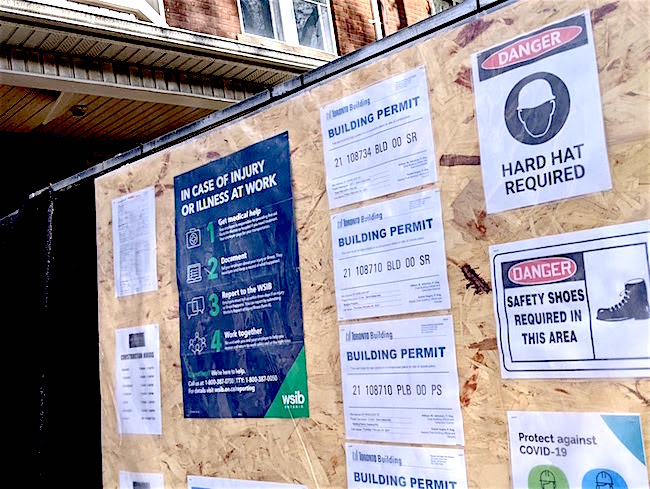
Before you dive into the permitting process, it’s important to know which permits are required for your specific project. The exact requirements will vary based on the location, scope of work, and local regulations, but common types of construction permits include:
- Building Permits: Required for most construction projects, from new builds to major renovations.
- Electrical Permits: Needed for any electrical work, including installation or changes to wiring, outlets, and lighting.
- Plumbing Permits: Required if you’re adding or modifying plumbing systems.
- Mechanical Permits: Needed for HVAC systems, ductwork, and mechanical installations.
- Zoning Permits: Ensure that the property is being used in accordance with local zoning laws (e.g., residential vs. commercial use).
- Environmental Permits: Required if your project could affect the local environment (e.g., stormwater runoff, wetlands, or endangered species habitats).
- Demolition Permits: If you’re tearing down a structure, you’ll likely need a permit for that as well.
By identifying the types of permits required early on, you can save time and avoid unexpected complications during the approval process.
2. Research Local Regulations

Construction permitting is regulated at the local (city or county) level, and each municipality has its own set of requirements, processes, and timelines. Research your local government’s construction and permitting department to understand their specific requirements. This might involve:
- Visiting your local building department’s website to review permitting guides, applications, and fees.
- Reviewing zoning regulations to ensure your project complies with local land use laws.
- Looking up any area-specific restrictions (e.g., historical preservation districts, flood zones, or environmental protection areas).
It’s important to review all regulations in detail to avoid surprises during the permitting process. If you’re unsure about specific rules or requirements, don’t hesitate to call or meet with a representative from the permitting department.
Different cities have different requirements. Where I live (Toronto), permitting is a nightmare (let’s not get into the details). A pro tip: if you’re looking to permit in Toronto, start early.
3. Prepare Your Application and Supporting Documentation
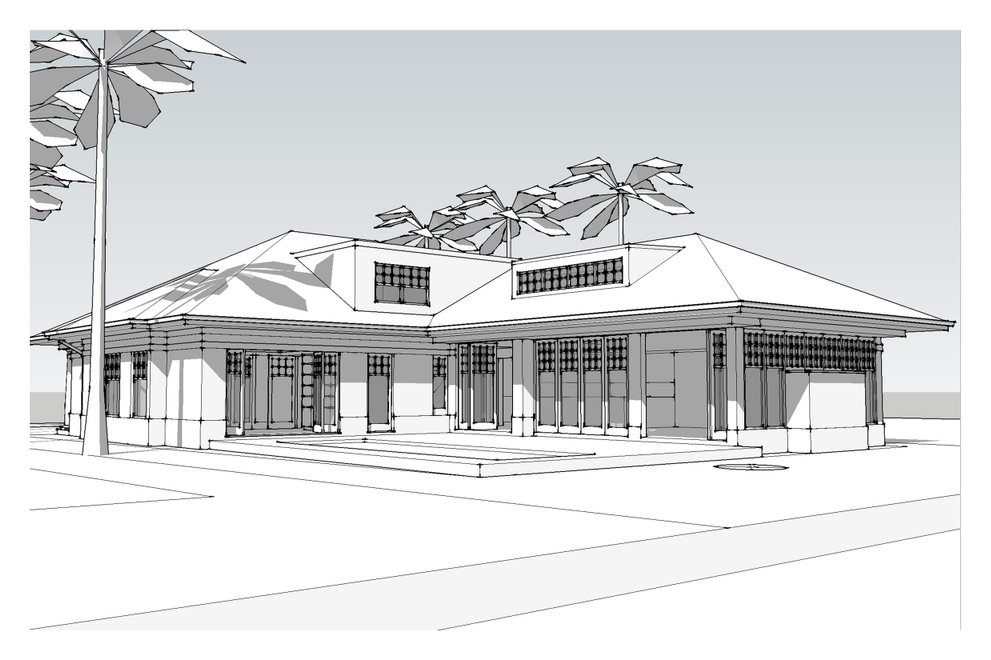
Once you know what permits you need, the next step is to gather and prepare the required documentation. This typically includes:
- Detailed Plans and Drawings: Architectural, structural, electrical, and plumbing plans, depending on the nature of your project. These should be professionally prepared and meet all local codes.
- Site Plans: A site plan shows the layout of your project in relation to the surrounding property and streets. It may need to include setbacks, parking, landscaping, and more.
- Environmental Impact Statements: If your project has a significant impact on the environment (e.g., near wetlands or forests), you may need to submit an environmental review or impact assessment.
- Survey: A land survey from a licensed surveyor may be required to confirm the property’s boundaries, topography, and existing structures.
- Contractor Information: In some cases, you’ll need to provide details about the contractors working on the project, including their licensing and insurance information.
Pro Tip: Ensure that all documentation is complete and accurate to avoid delays. Mistakes or missing information could result in a permit denial or additional paperwork, which could set your project back.
4. Submit Your Application
Once all your documentation is ready, you’ll need to submit your application to the appropriate local authority. This may be done online or in person, depending on your jurisdiction. Be sure to submit all required forms, plans, and fees, and keep copies of everything you submit for your records.
During this phase, the local permitting office will review your application for completeness and compliance with zoning, safety, and building codes. This process could take anywhere from a few days to several weeks, depending on the complexity of the project and the workload of the permitting office.
Pro Tip: This usually takes longer than predicted, so add a buffer.
5. Address Potential Issues or Requests for Revision
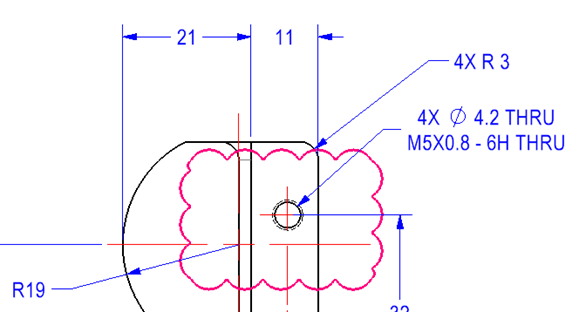
It’s common for permitting authorities to come back with questions or requests for revisions after reviewing your application. If this happens, don’t panic. Address any concerns by:
- Clarifying any ambiguities: Sometimes, reviewers might need clarification or additional details about certain aspects of your plans.
- Making necessary revisions: If any parts of your application don’t comply with local regulations or codes, you may need to modify your plans and resubmit them.
- Resubmitting for approval: Once revisions are made, submit the updated documents to the permitting office for re-review.
The more proactively you address these issues, the quicker you’ll move through the process. Open communication with the permitting office can help resolve these requests in a timely manner.
6. Pay Fees and Await Approval
Once your application is complete and any revisions are addressed, you’ll typically be required to pay a permit fee. These fees can vary widely depending on the size of your project and the type of permits you’re applying for.
After payment, the local authority will process your application and either approve or deny the permit. In many cases, you’ll receive a permit once your application is approved, but in some jurisdictions, it may take additional time if the permit needs to be reviewed by multiple departments or undergo public hearings.
7. Start Construction—But Keep an Eye on Inspections
Once you’ve received your permits, construction can officially begin. However, be aware that your project will likely be subject to inspections at various stages. Depending on the type of work, inspections might be required for:
- Foundation and framing: Inspections to ensure structural integrity.
- Electrical and plumbing: Inspections to confirm systems are installed properly and meet safety codes.
- Final inspection: A final review before the project is considered complete.
Make sure to ensure that inspections are scheduled as needed and that your project complies with local codes at every stage. If you fail to pass an inspection, you may need to make corrections and schedule another inspection.
8. Obtain Final Approval and Certificate of Occupancy

Once all inspections are completed successfully, and your project meets all code requirements, you’ll receive a Certificate of Occupancy. This legally certifies that the building is safe to use for its intended purpose.
It’s important to wait for this final approval before using or renting out the space. Moving in or opening your business without this certificate can lead to fines, legal issues, or even project shutdowns.
Permitting 411
Securing permits for a construction project can seem overwhelming, and it is. But with the right approach and a bit of research, the process can go smoothly. Start by understanding what permits you need, research local regulations, prepare your documentation carefully, and keep communication open with the permitting authorities. By staying proactive and organized, you’ll set your project up for success and avoid potential delays or legal complications.
Remember, the permitting process is in place to ensure the safety and sustainability of construction projects, so while it may seem tedious, it’s ultimately a crucial part of bringing your vision to life—legally and safely.
Happy building! Read Construction 101: A Guide to the Basics of Construction.
Click Here To Shop My Favourite Home Goods
Let’s design your space together, virtually.