Interior Design Technologies: Irreversible Change to the Way We Design
The world of interior design has transformed dramatically in the past few decades, primarily due to technological advancements within Interior Design Technologies. These changes have revolutionized how designers approach projects, collaborate with clients, and present their visions. Here are five key ways technology has changed the game for interior designers, along with the specific tools that have propelled the industry forward.
Read: A Designer’s Review of DesignFiles: The Best Interior Design Software?

AVOID COSTLY (AND UGLY) DESIGN MISTAKES

1. From Hand Drafting to AutoCAD
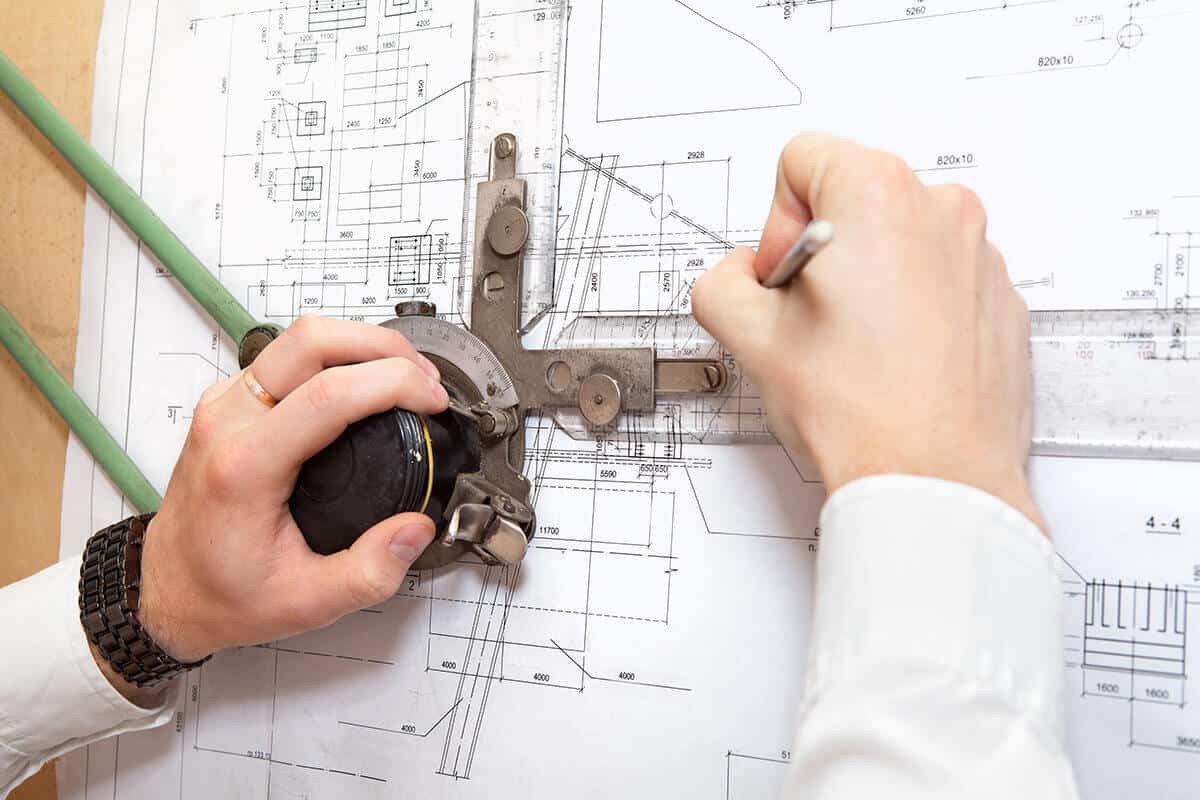
Not too long ago, interior designers relied heavily on hand-drawn plans and sketches to communicate design ideas. This process, while artistic, was also time-consuming and prone to errors, often requiring redraws when clients requested changes.
Funny enough, we had a hand drafting course when I was in Interior Decorating school. I also had an AutoCAD course. Honestly, I do not know why we bothered with hand drafting considering we already had other Interior Design Technologies like AutoCAD that offered outputs that were way accurate and professional looking. In my career, I have never had to utilize hand drafting, but I use AutoCAD all the time.

AutoCAD, short for Computer-Aided Design, was a game-changer. Introduced in the 1980s, it allowed designers to create precise, scalable, and easily modifiable technical drawings. With AutoCAD, floor plans, elevations, and sections could be drawn quickly and adjusted with ease.
The shift to digital drafting enabled designers to be more efficient and accurate, providing clients with professional plans that can be shared instantly. This has also allowed for the integration of more complex design features, like mechanical, electrical, and plumbing systems, ensuring that design concepts are practical and feasible from the outset.
2. From Hand Rendering to SketchUp

Hand rendering was once the primary way to visualize how a space would look post-completion. While beautiful, this method required significant time, skill, and effort, and revisions meant starting from scratch.
Here’s a hand render I created. While it certainly gives the client an idea of what the space will look like, it doesn’t look that polished. Nowadays, computer-generated renders are deemed to be more acceptable. If I run this through an Interior Design AI, I get an output something like this:

Now this looks a lot more polished and impressive. I achieved this render using HomeVisualizerAi (uploading my drawing and using the style fusion tool, along with an enhanced quality second step after it was first created).
Interior Design AI Discount Code
Graciously enough, www.homevisualizer.ai offered my readers 15% off their subscription by using code DEE15 at checkout.
Now, let’s talk about SketchUp…

SketchUp, a 3D modeling software, made it possible for designers to create detailed, three-dimensional visualizations. With SketchUp, a designer can not only create realistic models of spaces but also adjust lighting, materials, and textures to give clients a true sense of how a room will look and feel.
SketchUp also allows for easy edits, enabling designers to adjust designs in real-time based on client feedback. Thus, making collaboration more interactive and efficient.
I have used SketchUp quite extensively throughout my career. You can build anything (once you get the hang of it). The cons are that it does take a bit of time to get used to how the program works. Also, it tends to crash a lot. However, you can create such custom designs, and with the help of other Interior Design Technologies (like HomeVisualizerAi) you can create very realistic renders. I like that SketchUp can import other models and tools from different sources.
If you are looking for SketchUp Extensions Check Out 5dPlus.
3. From Mood Boards to AI-Powered Renders

Creating mood boards has long been a staple in the design process. Mood boards Help designers convey the overall vibe and aesthetic of a space through colour schemes, textures, and furniture pieces. Traditionally, these were done by cutting out magazine clippings or assembling images on a physical board.
Now, AI-powered rendering tools have taken this concept to a new level. Designers can input their ideas, and the AI software will generate photorealistic images that simulate the end result. This gives clients a far clearer vision of the design, beyond flat images, bringing concepts to life in a more dynamic way. Read I Tried the Best 3D Room Visualizer AI, Here is my Review and Read The Best and Worst Interior Design AI,A Designer’s Review.
AI technology has also allowed for greater customization and speed. Designers can generate multiple design variations almost instantly and present clients with a range of options, ensuring they are fully satisfied with the proposed solutions.
4. From Store-to-Store Sourcing to Online Shopping

Once upon a time, sourcing furniture, fabrics, and accessories required trips to showrooms and suppliers, an often labour-intensive and time-consuming task. Designers would spend hours or days travelling from store to store to find the perfect piece to fit their vision.
With the rise of e-commerce and platforms, sourcing has become significantly easier. Designers can now access a vast array of products with the click of a button, comparing styles, prices, and availability in real-time. Online resources have not only expanded the range of options but also opened up global markets, allowing for more unique and diverse selections.
Additionally, online design platforms allow designers to create and save curated lists, offering a more streamlined approach to presenting options to clients.
I realize that I source about 70-80% of materials, furniture and decor fully online. Many times, it’s for convenience and ease of the clients. Let’s face it, online shopping is usually a lot easier than jumping around store to store hoping you’ll find what you’re looking for.
Read: The Coolest Home Brands You Must See
5. From In-Person to eDesign
As technology continues to shape the interior design industry, one of the most significant shifts has been the move from traditional, in-person consultations to eDesign.
In short: this digital approach allows designers to work with clients remotely. Using virtual tools and platforms to present design concepts, share floor plans, and offer real-time feedback—no matter where they are in the world. eDesign provides a more convenient, flexible, and cost-effective way for clients to access professional design services. This Interior Design Technologies makes high-quality interior design more accessible than ever before.
Interior Design Technologies Make Life a Little Easier
Technological advancements in interior design have not only made the design process faster and more efficient but have also elevated the overall quality of service. As a designer, I’ve been able to connect with more clients through tools like eDesign, offering quicker services to get projects started almost immediately. What used to take hours can now be done in minutes. It’s truly amazing what technology can do. I believe we’re at a really exciting point in time for interior designers and home decor enthusiasts. There’s so much available at our fingertips, and accessing it has never been easier.
Click Here To Shop My Favourite Home Goods
Let’s design your space together, virtually.